
Running a startup is really hard. There are always a dozen moving pieces that need a founder's attention, and somehow, they all need to work at the same time.
Employees need to be hired, managed, motivated, paid, and encouraged. Raw materials need to be ordered at exactly the right time so that products can be made and orders shipped on schedule. In our case, because we do so much business through quick commerce, we're often given one-hour windows to deliver stock to warehouses across the country. Miss the window, and you risk disrupting the entire process.
This week, for example, the compressor on our walk-in refrigerator broke. We had to scramble to keep our stock cold using dry ice while the compressor was sent for repair. It's the kind of unexpected problem that nobody puts in a business plan, but that somehow always needs to be solved.
Then there's the challenge of getting people to buy your products in the first place. Your products need to be available where people shop, convenient to purchase, in stock, and priced right. You need to create advertisements that convince people your products are trustworthy, delicious, and worth trying. You need to build a brand, earn customer loyalty, and convince retailers to give you shelf space.
All of this is hard. Any one of these moving pieces can go wrong and cause problems for the business.
But when everything works, you'd think things would finally run smoothly.
Instead, we've found that one of the hardest parts of running a business in India is simply getting paid for products you've already sold.
This year, our two largest retail partners experienced payment delays due to accounting issues. The consequences for our business were enormous.
Without the money we'd earned, we couldn't buy raw materials on time. Orders were delayed. Products went out of stock in retail stores. We lost sales we otherwise could have made, all because cash that should have been in our bank account wasn't there.
As founders, we started to feel like failures. We had to delay payments to employees and suppliers, and explain why we couldn't pay them when we said we would. Some people extended us grace and patience. Others were understandably angry and frustrated.
It's a terrible feeling to let people down when you've worked so hard to build a business that you believe is doing good in the world.
But perhaps the hardest part is the uncertainty.
When a retailer delays payment and isn't able to give you a clear answer about when the problem will be resolved, you have no idea how long the situation will last. You can't confidently plan your spending, make commitments, or even know whether you'll have enough cash to cover next month's expenses.
It becomes an emotional roller coaster. There are days when I feel so discouraged that I genuinely wonder what it would look like to simply shut everything down and be done with the stress.
And then, eventually, the payment comes through.
When it does, it feels like Christmas.
The relief is enormous. The joy is real. For a little while, everything feels possible again.
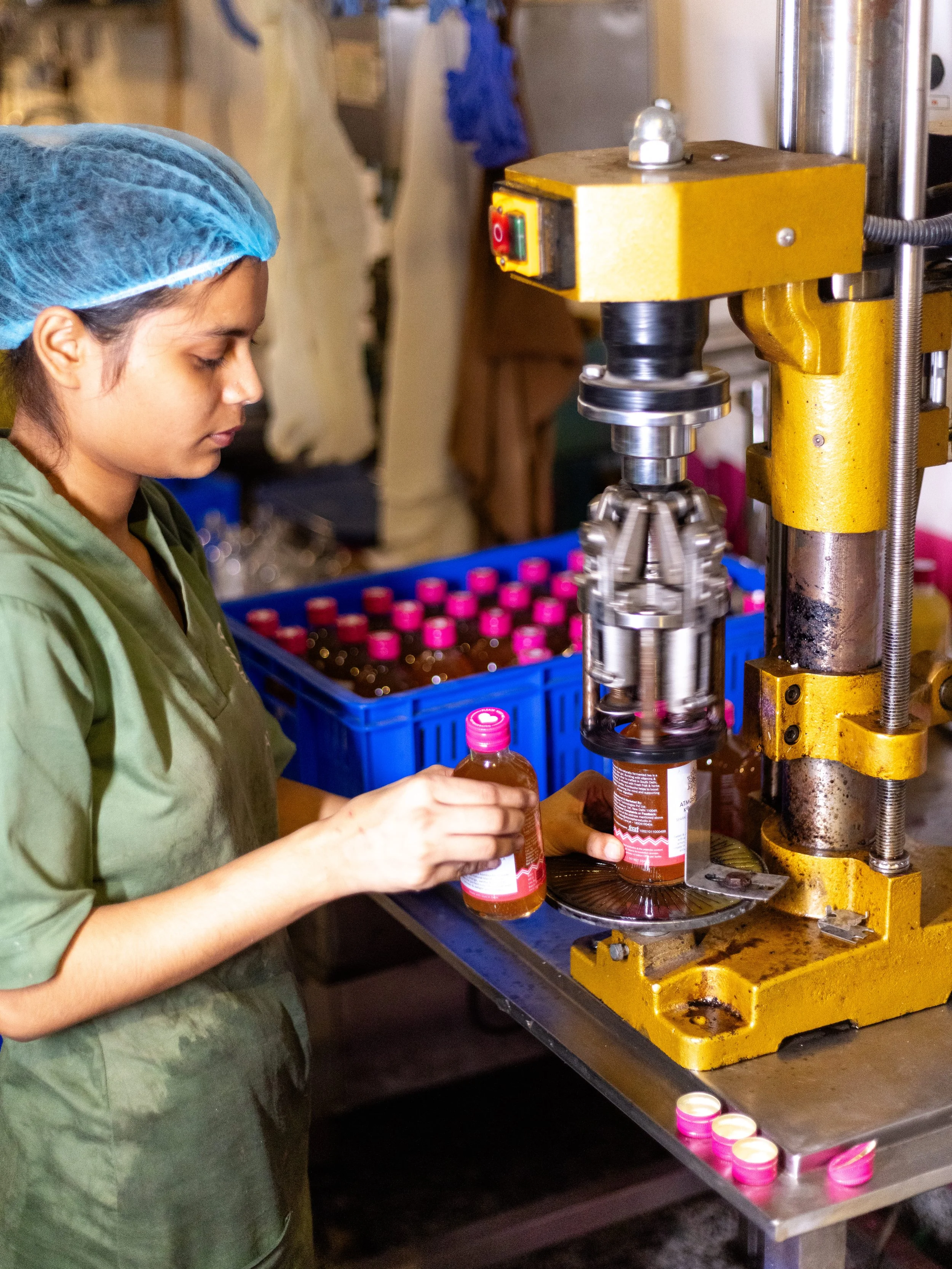


Thankfully, most of our retail partners eventually pay. But every now and then, we encounter a business that simply defaults. They switch suppliers, discontinue selling kombucha, or move on without ever settling their outstanding balance. Recovering that money can be incredibly difficult, especially in India, where the time and resources required to pursue a dispute can be disproportionate to what we stand to recover.
These experiences have taught me that building a business isn't just about creating something people want to buy. It's also about managing the many things outside your control, including the decisions other businesses make and the consequences those decisions have for everyone downstream.
I still believe deeply in what we're doing.
But I'm learning that being a founder requires a kind of resilience I never fully anticipated. It's not just the ability to solve problems. It's the ability to keep showing up when the problems don't get solved, when the answers aren't clear, and when the people depending on you are waiting for you to figure things out.
And sometimes, it's simply learning to celebrate when the money finally arrives in the bank.
After all, those really are good days.