Schools, Supermarkets, and Fish Farms
The customers I work with – from schools, to supermarkets, to fish farmers – have very different energy needs, but the process I use to meet their needs has the same starting point: understanding their goals and pain points to design tailored systems.
There are generally four reasons for deploying solar PV (photovoltaic) power systems:
Cost savings: PV can provide lower-cost electricity, over several years, compared with traditional grid power. Cost savings can also be realized very quickly compared to small fossil-fuel generators (gensets).
Reliability: In much of the world, the traditional grid is unreliable. PV with batteries can provide highly reliable backup power. This is a continuum. At one end of the spectrum are settings with occasional outages. At the other end of the spectrum are fully off-grid contexts where the grid may not even exist.
Independence: At this far end of the unreliable-grid spectrum, some PV users want to be completely off-grid, either by choice or necessity. PV can provide energy independence.
Environmental goals: PV can also help users reach green-energy or environmental goals by reducing either their carbon footprint or local pollution
When I engage a potential customer, I begin by trying to understand which of these goals is driving them toward solar PV and what the pain points are in their current electricity usage.
I currently work with a variety of customers: three schools (both on-grid and off-grid), a network of large supermarkets, and a fish farmer.
Schools
Two of the schools are completely off-grid, in very remote locations where solar PV is the ONLY viable, continuous, and cost-effective electricity solution. One of these off-grid schools has an existing system that no longer works due to poor-quality components. The other school has relied on expensive gensets. In both cases, a unique architecture called “DC-coupled” will provide a highly cost-effective, robust long-term solution.
For the third school, located in a city where the grid is mostly reliable (with the exception of short outages a few times a month), the motivation is cost savings and increased reliability for its computer lab, servers, and IT equipment. In this case, a combo topology can meet both needs: a DC-coupled battery inverter provides robust reliability for priority loads needing backup power, while the bulk of demand is served through the larger, lower cost AC-coupled grid inverters.
Supermarkets
A large chain of more than 20 supermarkets across five nearby cities spends tens of thousands of dollars on monthly electricity – across the 20 stores, total monthly expenditure can approach US$1 million. Each supermarket has 30+ air conditioners, large freezers, and other power-hungry equipment. Covering the roof with solar panels and utilizing low-cost AC-coupled grid inverters could help reduce the monthly electricity bill by at least half, and an appropriately sized battery bank may enable the stores to forgo the noisy, dirty diesel generator that takes up valuable space in their efficient footprint.
Fish Farms
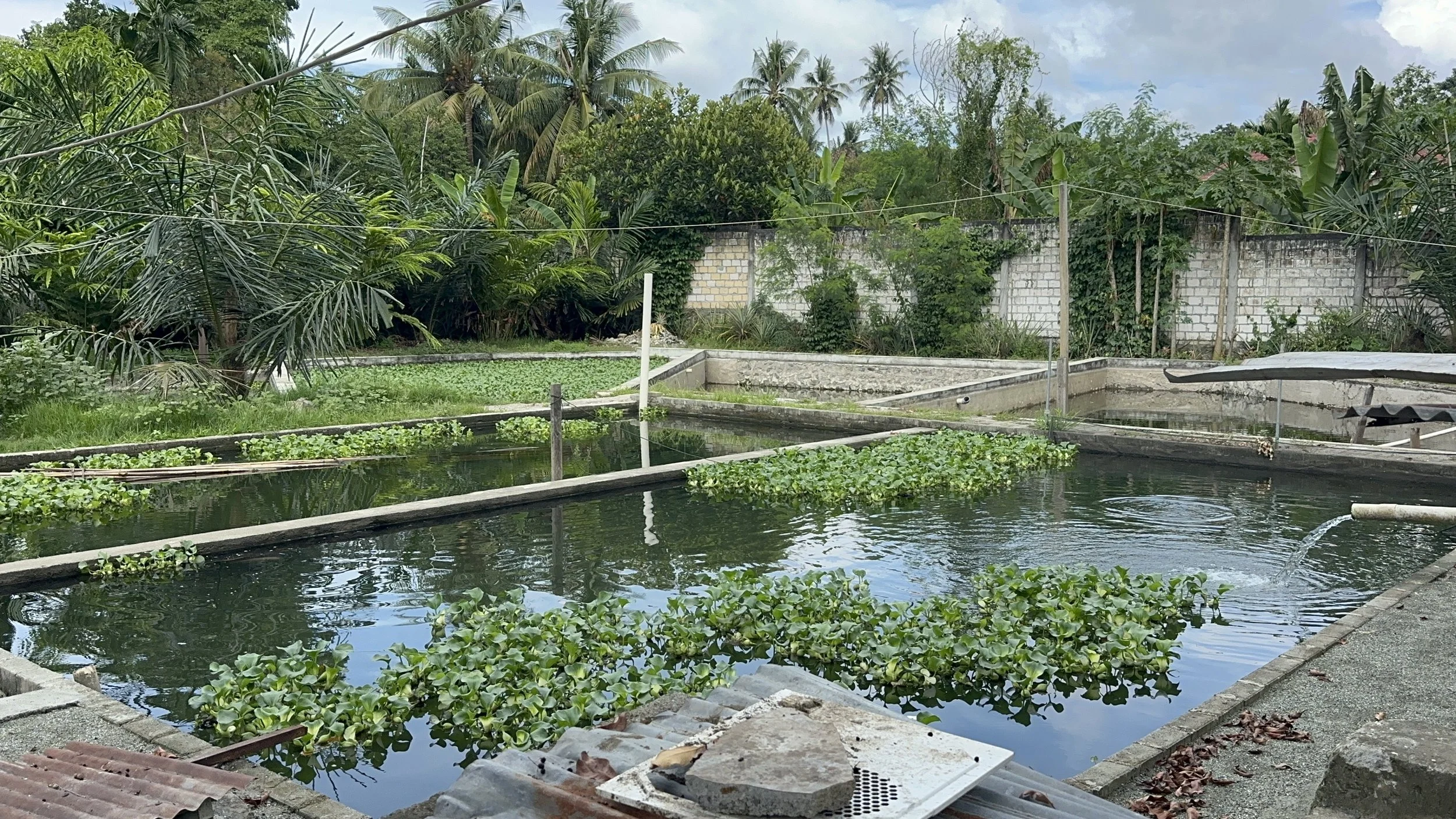
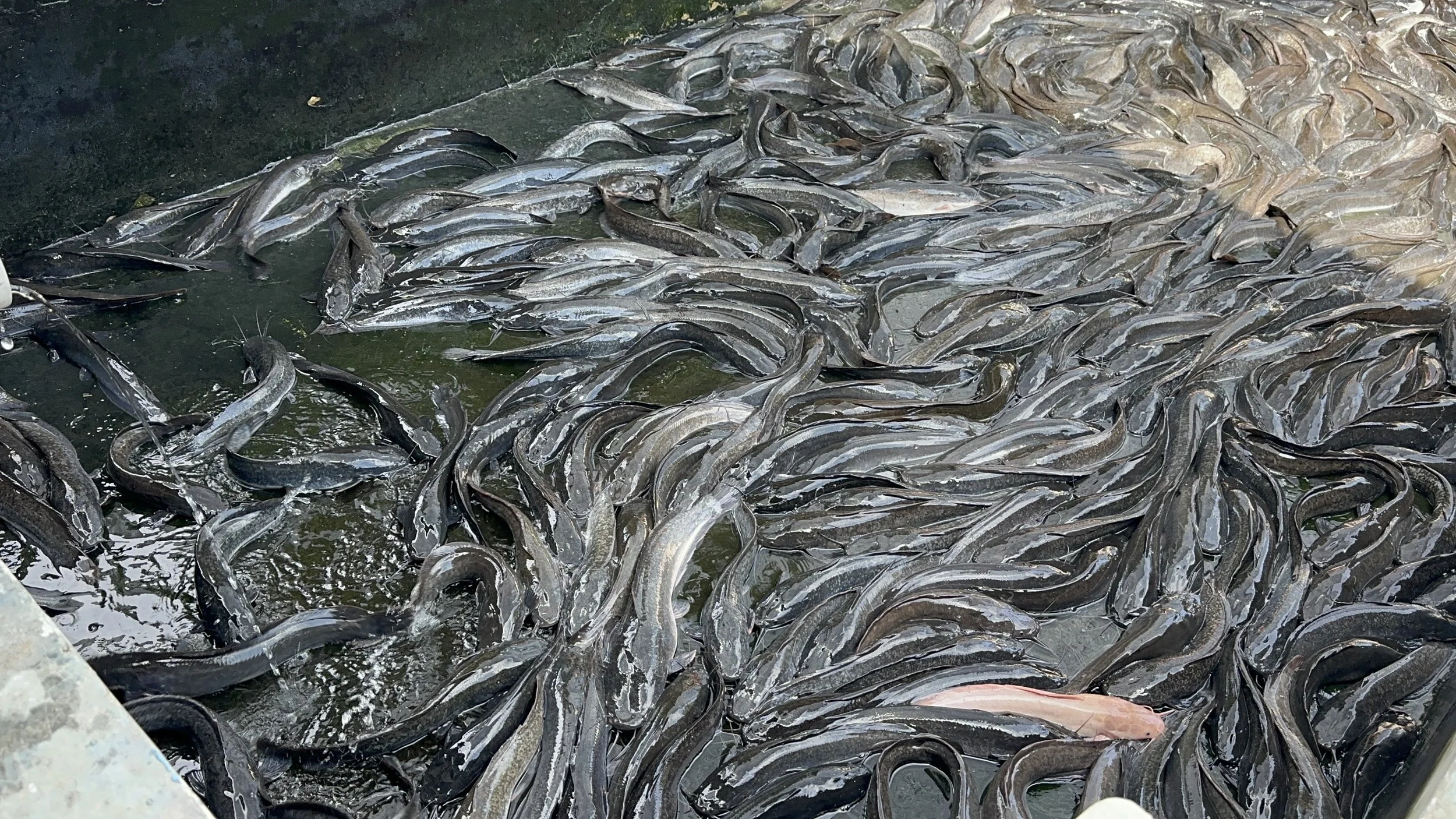
I currently work with a fish farmer who has expanded operations over many years, building concrete pond after pond. They power dozens of pumps, aerators, and other equipment to keep their fish healthy and growing until they sell them to local food markets. Their continuous daytime pumping load can be met with solar PV more cost-effectively than with the traditional grid. With the addition of a few batteries, the system can also operate smoothly without interruption during regular grid outages, which occur a few times a month.
As I build PT NSP, I’m working to develop a scalable process that starts with understanding the customer. PV must be deployed thoughtfully, using the right topology and components to meet the customer’s needs and solve their real pain points.